
होमAsian CricketCricket Asia Analysis Report: The Picture, Challenges and Way Forward for Asian Cricket
Cricket Asia Analysis Report: The Picture, Challenges and Way Forward for Asian Cricket
यह रिपोर्ट एशियाई क्रिकेट के समग्र परिदृश्य का विश्लेषण करती है, जिसमें एशिया कप, ACC और ICC की भूमिका, IPL और अन्य फ्रेंचाइज़ी लीगों का आर्थिक प्रभाव, खिलाड़ियों पर कार्यभार, टीमों के घरेलू-विदेशी प्रदर्शन का अंतर, शासन और नियम, तथा जोखिम प्रबंधन जैसे पहलू शामिल हैं। रिपोर्ट में भारत, पाकिस्तान, श्रीलंका, बांग्लादेश, अफ़ग़ानिस्तान और नेपाल जैसी टीमों की स्थिति पर चर्चा की गई है और यह निष्कर्ष निकाला गया है कि एशियाई क्रिकेट में अपार संभावनाएँ हैं, लेकिन वित्तीय संतुलन, शासन और खिलाड़ी कल्याण पर ध्यान देने की आवश्यकता है।
Cricket Asia Analysis Report: The Picture, Challenges and Way Forward for Asian Cricket
Asian cricket has been changing rapidly over the past few years. Countries like India, Pakistan, Sri Lanka, Bangladesh, Afghanistan and Nepal have carved out a distinct identity in international cricket. Through the combined efforts of the Asian Cricket Council (ACC) and the International Cricket Council (ICC), the sport has expanded in the region, but several structural and administrative challenges have also emerged. This report analyses the current landscape of Asian cricket, its key issues and future possibilities.
The Asia Cup is the most prestigious tournament in Asian cricket. Held every two years, it features the region's top teams. In recent editions, India-Pakistan matches have ranked among the most-watched games worldwide. The tournament's broadcast rights and advertising revenue are a major source of income for the ACC. However, political tensions have repeatedly forced changes to hosting and travel arrangements. India-Pakistan bilateral series, for instance, have long been suspended, and several tournaments have been staged at neutral venues such as the UAE. This raises event costs and makes stadium access difficult for fans.
The role of the Board of Control for Cricket in India (BCCI) is central to Asian cricket. The Indian Premier League (IPL) has become the world's richest franchise league and has reshaped the global cricket economy. IPL broadcast rights sell for billions of dollars, and player auctions set record prices. This financial power makes Indian cricket influential in global decision-making, but it also breeds a sense of imbalance among smaller Asian nations. Leagues such as the Pakistan Super League (PSL), Lanka Premier League (LPL) and Bangladesh Premier League (BPL) are building their identity, but remain well behind the IPL in finances and branding.
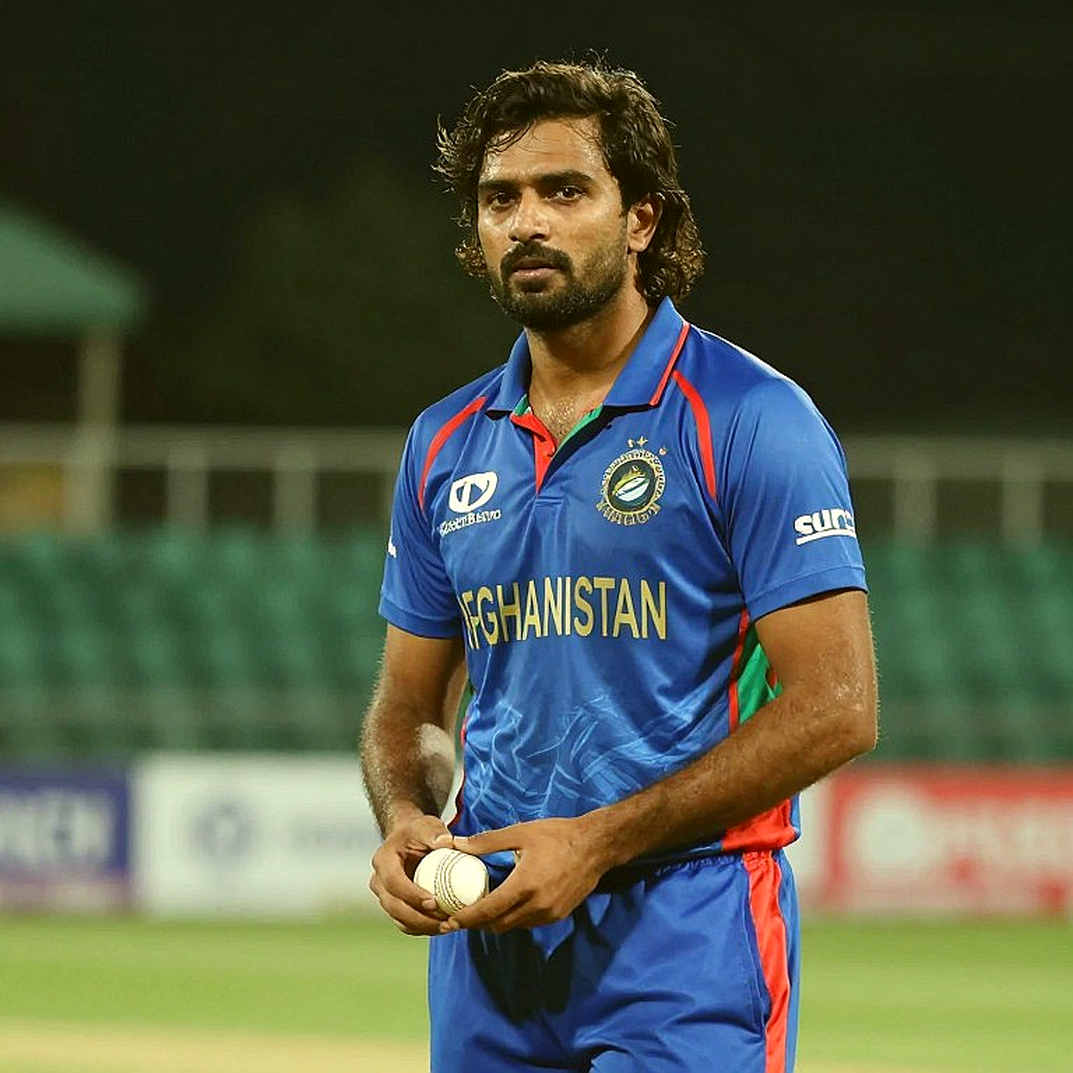
From the players' perspective, there is no shortage of talent in Asian cricket. Batters like Virat Kohli, Rohit Sharma, Babar Azam and Shakib Al Hasan have left their mark at the international level. In bowling, names such as Jasprit Bumrah, Shaheen Afridi, Rashid Khan and Mujib Ur Rahman have emerged. Afghanistan have made remarkable progress over the past decade and have performed strongly in major tournaments such as the T20 World Cup. Spinners like Rashid Khan and Mujib Ur Rahman are counted among the most economical bowlers in international cricket. Many Asian players, however, remain under workload pressure, as they play for their national team, franchise leagues and bilateral series simultaneously. This raises injury risk and causes fluctuations in form.
At team level, India currently sits at the top of the ICC Test, ODI and T20 rankings. Pakistan have a talented pool of fast bowlers, but batting consistency has been a concern. Sri Lanka have invested in young players in recent years and shown improvement in limited-overs cricket. Bangladesh perform strongly in home conditions but remain challenged on overseas tours. Afghanistan are a fast-rising team with world-class spin bowling. Nepal have recently gained ODI status and could emerge as a strong associate side in the future.
Understanding the gap between home and away performance is a key aspect of Asian cricket analysis. Subcontinental pitches generally favour spin, and home teams benefit from this. But on overseas tours, adapting to fast, bouncy pitches is a challenge. This is why several Asian teams struggle away from home. Workload management and injury management are also major issues, as players' calendars remain constantly packed.
The commercial side of Asian cricket is developing rapidly. The success of the IPL has prompted other countries to launch franchise leagues too. But attracting audiences, broadcast partners and sponsors is difficult for smaller leagues. In addition, clashes between players' national-team and league commitments surface from time to time. Some boards issue No Objection Certificates (NOCs) before allowing players to compete in overseas leagues, which creates disputes.
At the governance and rules level, the role of the ACC and ICC is important. Rules relating to tournament organisation, revenue distribution and player eligibility come under periodic review. Changes to venues for political reasons, such as holding India-Pakistan matches at neutral venues, are a regular challenge. ACU monitoring remains continuous in match-fixing and corruption cases, and vigilance is needed in young leagues.
From a risk perspective, Asian cricket faces several challenges. Weather and political disruption, player workload, financial imbalance and structural weaknesses in smaller countries are the main ones. Managing these risks is not only the responsibility of boards; the ICC and ACC must also work together. To ensure fair competition, attention must be paid to balanced revenue distribution and infrastructure development in smaller countries.
At the level of public sentiment and expectations, Asian cricket fans' enthusiasm is immense, especially in India and Pakistan. Around big matches, excessive expectations and sometimes overreaction are seen. The role of media and social media is important in amplifying this sentiment. Analysis should keep in mind that sentiment and actual capability can differ.
From an industry-transmission perspective, the impact of Asian cricket extends from youth development to national teams, leagues, broadcasting and derivative markets. The South Asian market accounts for a large share of global cricket revenue, and the IPL's success has drawn investors' attention to the region. Markets linked to fantasy sports and betting are also active, but these should be viewed only as objective expectation signals, not as betting advice.
In conclusion, Asian cricket has immense potential but also several structural challenges. The region leads in talent, financial power and fan engagement, but attention is needed on governance, financial balance and player welfare. If the ACC, ICC and member boards work together, Asian cricket can become even stronger and more inclusive in the years ahead.


संबंधित खिलाड़ी
अनुशंसित
Cricket Report Blocked: No Recoverable Content in Stage-1 Deconstruction2026-11-02
On That Motera Pitch: The 240 That Outgrew India's Ten Wins2026-10-28
"Not a full-time employee": Kevin Pietersen explains Pakistan absence, confirms he will join England in Australia2026-11-01
Bench Strength Is a Selection Question, Not a Talent Question — From Ranji's March to IPL's June2026-10-29
Steve Smith Returns to Newlands Under Scrutiny as Australia Face Series Decider2026-10-27
The Christchurch Ledger: Tilak's 26 Catches, Arshdeep's 38 Wickets and the Empty Box on the Scorecard2026-10-25
22 balls of doom in gloomy Mirpur: Bangladesh top order caves in against spin, lead under threat2026-11-01
The 118-Run Powerplay and the Scorecard That Says More Than 'a Six-Wicket Win'2026-10-28
अनुशंसित
Shardul Thakur's Finger, Mumbai's 14 Points and Haryana's First Real Test2026-10-26
Wellington's record 118-run Powerplay: the half of the win the scorecard hid2026-10-30
22 balls of doom in gloomy Mirpur: Bangladesh top order caves in against spin, lead under threat2026-11-01
Three Balls Out of the Stadium, and a Donation That Exists Only in the Headline2026-11-02
The Null Payload: Auditing a Blank Cricket Record on the Desk2026-11-02
A 331 chase with seven wickets down: Lahore's flat deck revealed Pakistan's structure, not its strength2026-11-01
Afghanistan Moves Ahead of England in ODI Rankings, But the Real Story Is Two Points2026-10-25
Finch's 'Best Player I've Played With' Certificate: Format Is the Only Yardstick in the Smith vs Warner Debate2026-10-29
अनुशंसित
Empty Data, Full Conclusions: The Verification Crisis in Cricket Analysis2026-11-02
The Empty Sheet and the Silent Room: What Cricket Coverage Lost When the Data Didn't Arrive2026-10-24
The Empty File and the Full Market: Asia's Cricket Transfer Window Nobody Files2026-11-01
Two Crore for Tanjid, Sixty Lakh for Rishad: At the D3 Trophy Auction, the Calendar Set the Price2026-10-27
Mapping Asian Cricket: Format, Home Advantage and the Right Questions to Ask of the Market2026-10-31
One Net Bowler's Delivery and Bangladesh's Experience Cliff: Mushfiqur's Injury Opens an Old Wound2026-10-28
Three Wickets, Then Silence: The Boyle-Foxcroft Stand and the Camera Nobody Points at A Cricket2026-11-02