
The Shifting Geography of Asian Cricket: Resource Gaps, Rising Powers and New Questions
एशियाई क्रिकेट का सबसे बड़ा मुद्दा प्रतिभा की कमी नहीं, बल्कि संसाधनों और अवसरों का असंतुलित वितरण है। भारत के पास सर्वाधिक राजस्व और सबसे मज़बूत घरेलू ढाँचा है, जबकि नेपाल, ओमान, यूएई और हांगकांग जैसे सहयोगी सदस्यों के पास न तो पर्याप्त मैच हैं और न ही स्थायी वित्तीय आधार। अफ़ग़ानिस्तान पिछले दशक का सबसे तेज़ उभरता हुआ क्रिकेट राष्ट्र है, जिसकी ताकत स्पिन गेंदबाज़ी की गहराई है, पर उसका घरेलू ढाँचा अभी विदेशी मैदानों पर निर्भर है। पाकिस्तान, श्रीलंका और बांग्लादेश तीनों क्रमशः अस्थिर प्रशासन, एक पीढ़ी के एक साथ रिटायर होने और घरेलू-अंतरराष्ट्रीय अंतराल जैसी समस्याओं से जूझ रहे हैं। आगामी दशक में तीन कारक निर्णायक होंगे — छोटे सदस्यों के लिए गारंटीशुदा अंतरराष्ट्रीय कैलेंडर, घरेलू प्रथम श्रेणी क्रिकेट में निवेश, और महिला क्रिकेट का विस्तार। एशिया कप और एशियाई क्रिकेट परिषद के टूर्नामेंट इस खाई को पाटने का मुख्य मंच हैं, लेकिन वर्ष में सीमित सप्ताहों के कारण उनका प्रभाव सीमित रहता है।
Asian cricket stands at a paradox today. On one side, the continent holds the world's largest cricket market, the biggest audiences, the most expensive broadcast rights and the game's richest T20 league. On the other, the same continent contains member nations without a permanent coach, without enough grounds for a domestic tournament, and at times without even a regular international calendar. This asymmetry will define the direction of Asian cricket over the coming decade — who rises, who stalls, and whose structure cracks.
The picture that has emerged in recent years is not merely the story of India-Pakistan or India-Australia contests. It is the story of Afghanistan's rapid ascent, of Nepal's first ODI status, of Oman and the UAE carving out space in World Cup qualifiers, and of Bangladesh and Sri Lanka's separate rebuilds. It is also the story of how competitiveness is preserved when money, audiences and politics all intervene in the game at once.
India's centrality and its double effect
Any serious discussion of Asian cricket begins with India, because the economic axis of the game sits there. The IPL not only changed India's domestic structure but reshaped the continent's cricket calendar, player development and coaching ecosystem. The depth of the Indian team — particularly in batting and pace bowling — has grown remarkably over the past decade, and much of the credit goes to the domestic structure and franchise cricket.
But centrality has another side. When one country holds the largest broadcast revenue, the largest sponsorship pool and the most control over bilateral series, smaller members struggle for space in the international calendar. Nepal, Oman or the UAE often get only the windows that are inconvenient for the big nations. This is not merely a technical scheduling problem but a structural problem of revenue and opportunity distribution. Asian Cricket Council tournaments bridge this gap somewhat, but they are compressed into a limited number of weeks each year.
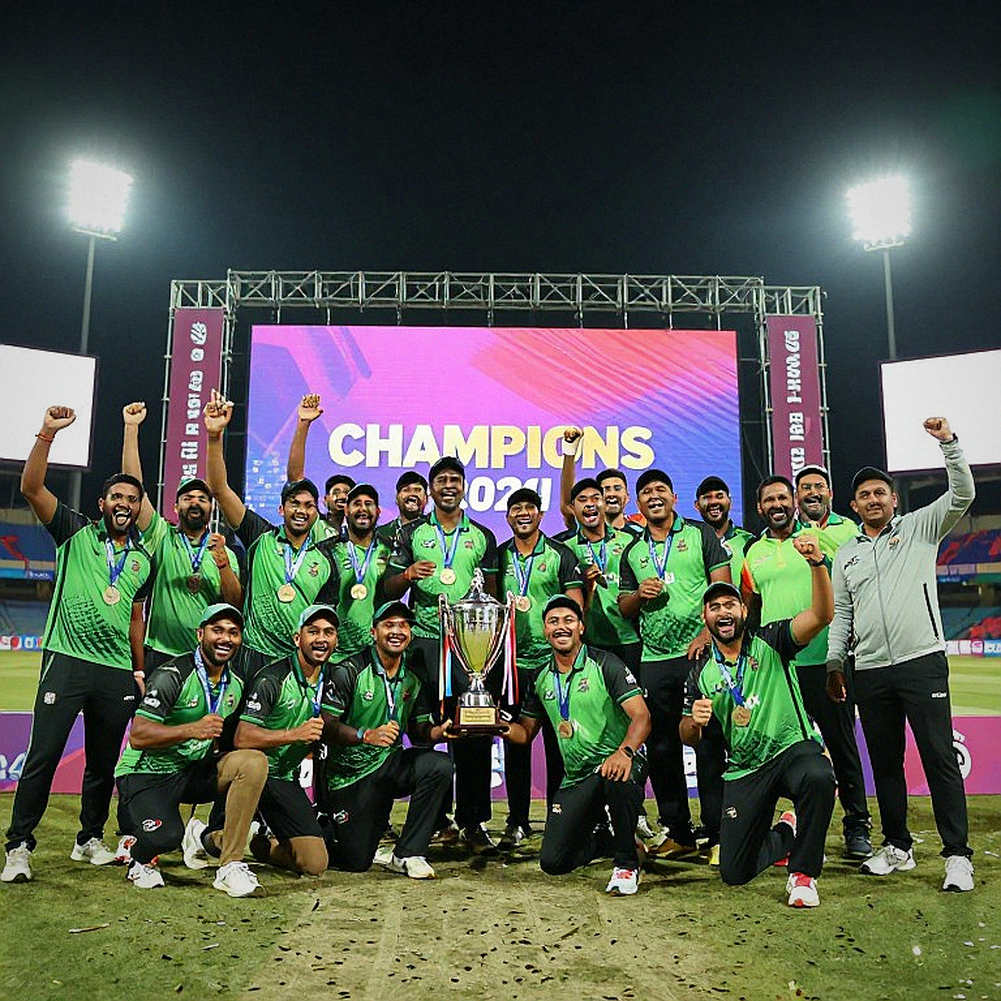
For India the real challenge is not talent but balance. Domestic competitions such as the Ranji Trophy, Vijay Hazare Trophy and Syed Mushtaq Ali Trophy create a vast pipeline, but international places for those coming through it are limited. One consequence is that several India-origin or India-trained players look to other associate nations — a flow that is both exciting and troubling, because it raises questions about the smaller countries' own development models.
Pakistan: the gap between talent and system
Pakistani cricket's greatest inheritance is that its fast-bowling tradition has never broken. There is a long queue of bowlers emerging from rough roads and small towns with an instinctive understanding of swing, seam and pace. But however strong this stream of talent, the administrative and high-performance system around it has been correspondingly weak. Frequent changes in the coaching staff, uneven quality in domestic tournaments and long gaps in the international calendar combine to create a situation where the team never quite realises its full potential.
Another dimension is that Pakistan had to fight a long battle to bring international cricket home. For over a decade, domestic venues stood empty for security reasons, and when cricket returned it had to rebuild audience trust and sponsor interest alike. In that process, domestic players lost exposure to high-pressure matches. T20 leagues filled some of the gap, but red-ball cricket and Test skills stayed where they were.
Pakistan's case illustrates that raw talent alone does not produce sustained success. Modern cricket needs data, physiotherapy, mental preparation, opposition analysis and workload management as much as bowling craft. Until those structures stabilise, the team's performance will keep swinging — a brilliant win one day, an unimaginable defeat the next.
Sri Lanka: the long rebuild
Sri Lanka is the example of an Asian cricket nation where, after the 2026 World Cup win and the sustained success of the 2000s, a vacuum formed that has not been easy to fill. The simultaneous retirement of a generation suddenly thinned the team's experience base. Repeated changes in captaincy, fluctuating selection policies and the limited depth of domestic tournaments complicated matters further.
Yet Sri Lanka has something many countries lack — a deep understanding of spin and a tradition of developing it. Players like Wanindu Hasaranga have shown that when technique and confidence meet, Sri Lankan cricket can be relevant again. The problem is that a team is not built on one or two individual performances; fast-bowling consistency, top-order stability and fielding standards must all arrive together.
Economic pressure works differently here too. The island nation's domestic structure lacks adequate sponsorship and broadcast income, and a portion of its talent prefers to spend time in foreign leagues. That is not blameworthy — it is the economic reality of the modern player — but it affects national team preparation.
Bangladesh: the gap between expectation and achievement
Bangladesh cricket's biggest problem is not a shortage of talent but the weight of expectation. Since attaining Full Membership in 2026, every major tournament has been greeted with the belief that the leap is coming now. On a few occasions it did — Asia Cup finals, beating major teams at World Cups, dominance at home. But the leap never became permanent.

One reason is technical: Bangladesh's batting has often struggled chasing big targets, and fast-bowling depth has remained limited. A second reason is structural — the gap between the competitiveness of domestic cricket and the international level has not closed quickly. A third is mental: the team has sometimes lost decisions under pressure in close matches.
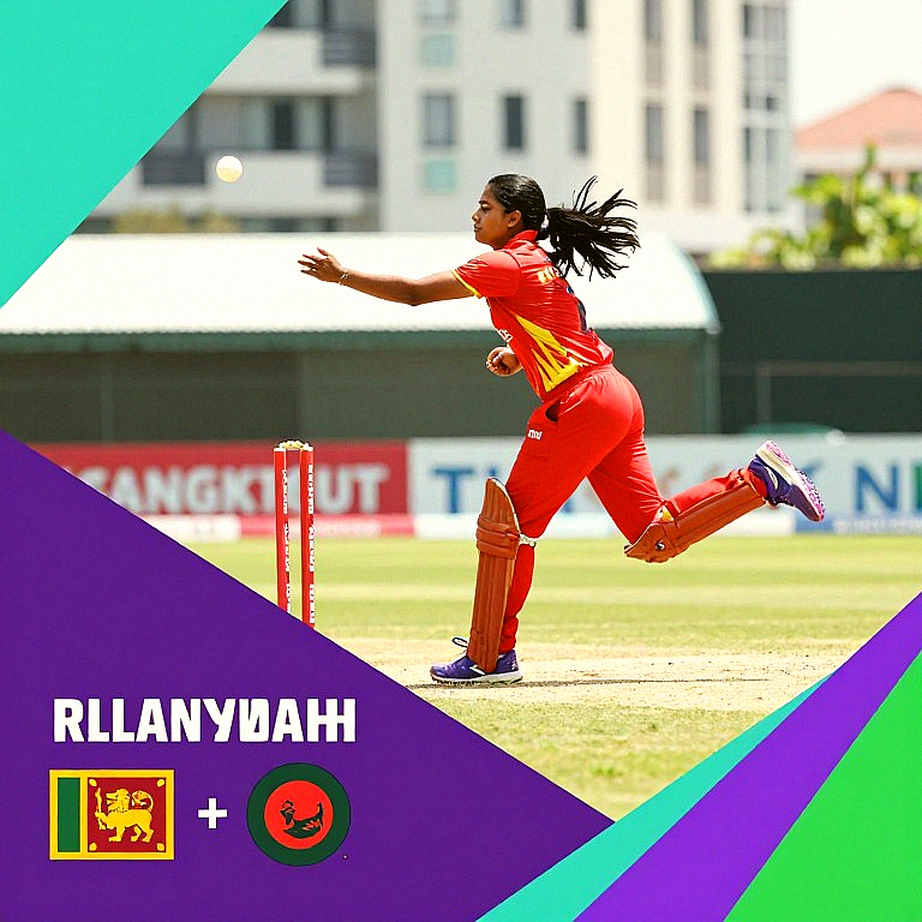
Yet Bangladesh has what policymakers value most — extraordinary public support for cricket. Crowds at grounds such as Sher-e-Bangla are second to none. If that base is linked to domestic tournament quality, player welfare and long-term selection policy, the next leap is only a matter of time.
Afghanistan: the fastest riser
Afghanistan's story is among the most remarkable in modern cricket. A game that began in refugee camps reached Full Membership within a few decades and then became a regular at platforms like the World Cup. The credit goes to players who, in uncertain circumstances, carried the game forward with discipline and collective spirit.
Afghanistan's strengths are clear: extraordinary depth in spin bowling and a patient middle order. A player like Rashid Khan changed not only the face of Afghan cricket but showed the world that a player from an associate nation can become the most valuable asset in global leagues. Young batters such as Ibrahim Zadran represent a new generation with full international exposure.
But here too the challenge is domestic structure. For years, international matches could not be held in Afghanistan because of security and political instability; the team's 'home' has been grounds in the UAE or India. That arrangement works but is not permanent. A nation's cricket matures only when its own grounds host junior tournaments, draw crowds and generate revenue from local ticket sales.
The wave of associate members: Nepal, Oman, UAE, Hong Kong
This is the area where change is fastest. Nepal's attainment of ODI status in 2026 was the biggest turning point in its cricket history. The crowds that throng Kathmandu's grounds prove that the subcontinent's hunger for cricket is not confined to India and Pakistan. Despite limited resources, Nepal's team has produced several impressive performances and earned its place in events such as World Cup qualifiers.
Oman and the UAE have a different path. Their natural talent base is small, but organisation, facilities and the diversity of an expatriate workforce are major strengths. Players such as Aqib Ilyas and Muhammad Waseem represent this model — hard work, discipline and maximising limited opportunities. Hong Kong has a long history and has appeared several times in events like the Asia Cup, giving smaller members a stage against bigger teams.
These countries face three persistent problems. First, the calendar — not enough matches, so no experience accumulates. Second, financial sustainability — no reliable source of income for domestic tournaments. Third, player retention — as soon as a player earns a place in a foreign league or a larger country's setup, he drifts from the local structure. The ICC's new competition structure for associate members is a step towards addressing these issues, but it is not sufficient.
The Asia Cup, the Council and calendar politics
The Asia Cup is the Asian Cricket Council's flagship event and the stage where India and Pakistan usually meet. In recent years the tournament's hosting format itself has been debated — political tension over hosting has at times led to a hybrid model in which matches were played in more than one country. That solution is practical, but it affects the tournament's coherence and the fan experience.
The bigger question is on what logic the international calendar is built. In the current system, large boards fix their bilateral series first and multilateral events are fitted in afterwards. This limits opportunities for smaller members. An alternative model could be to make it mandatory, in each two-year cycle, for every Full Member to play a minimum number of matches against associate nations — much as football has intercontinental windows.
The Asian Cricket Council's role could be decisive here, provided it becomes a development body rather than merely an organiser. A regular cycle of emerging tournaments, 'A' team tours, junior championships and women's competitions should be created so that smaller countries get continuous international experience.
The T20 league ecosystem
The IPL's success spawned a wave of franchise cricket across the continent. The Lanka Premier League, Bangladesh Premier League, Pakistan Super League, International League T20 and the Emirates events are steps in that direction. The clear benefit is that domestic players get to play alongside foreign stars, fitness and professionalism improve, and cricketers' incomes rise.
But three side effects are visible. First, calendar overflow — players are constantly busy in leagues, which affects national team preparation and rest. Second, a shift in priorities — young players are drawn to the quick glamour of T20 rather than the hard grind of Test or first-class cricket. Third, financial imbalance — only a few leagues make a profit; the rest become a burden on domestic boards.
The answer is not to stop leagues but to organise them. A shared Asian window, clear rules on player workload and a mandate for domestic first-class cricket could together restore balance.
Domestic structure, pitches and weather
An overlooked feature of Asian cricket is that conditions differ radically from one another. The slow, spin-friendly pitches of the subcontinent; Sri Lanka's humidity and lack of bounce; the UAE's air-conditioned grounds where heat forces night matches; and the unpredictable weather of Central Asian venues. The implication is that one strategy does not work everywhere.
That is why the quality of domestic structure becomes decisive. A country whose domestic tournament offers varied pitch types and matches lasting four or five days produces players better prepared for international conditions. Where domestic cricket is confined to limited overs, red-ball skill does not develop.
Another practical issue is grounds and facilities. Several associate nations have few international-standard venues, limited practice facilities, and weather that permits play for only a few months a year. This directly limits player development.
Women's cricket: the biggest untapped possibility
The fastest-growing and least-invested area of Asian cricket is the women's game. The women's teams of India, Pakistan, Sri Lanka and Bangladesh have made notable progress over the past decade, and the Women's Asia Cup is a good example — it is one of the few multilateral events where all members play regularly.
But the inequality is stark. Match fees, central contracts, training facilities and media coverage all show large gaps. In several countries, women's domestic tournaments are still irregular. This is not only a question of justice but of opportunity cost: a country that leaves half its population out of the game leaves half its talent pool unused.
Administration, umpiring and economic inequality
There is another invisible layer — administration. International matches require qualified umpires, match referees, curators and coaches. Their shortage is the biggest practical obstacle for smaller members. Teams sometimes depend on foreign umpires, which means no capacity building at home.
Economic inequality is at the centre of this entire discussion. The ICC's revenue distribution model has long been debated, and the sums reaching associate members have remained very small relative to their needs. The direct effect is that professional administrative structures cannot be built in those countries, and the game's development depends on individual effort.
Conclusion: three things will decide the next decade
First, fairness of opportunity. If the international calendar does not guarantee space for smaller members, talent will develop but never be seen.
Second, investment in domestic structure. No team is built by international matches alone — it is built by domestic first-class cricket, junior events and a permanent coaching system.
Third, the expansion of women's cricket. This is not only a social necessity but the cheapest and most effective way to raise the game's competitive capacity.
Asian cricket has what no other continent has — population, passion and market. What it lacks is balanced distribution and stable administration. The coming decade will be an examination of whether that balance can be built.